
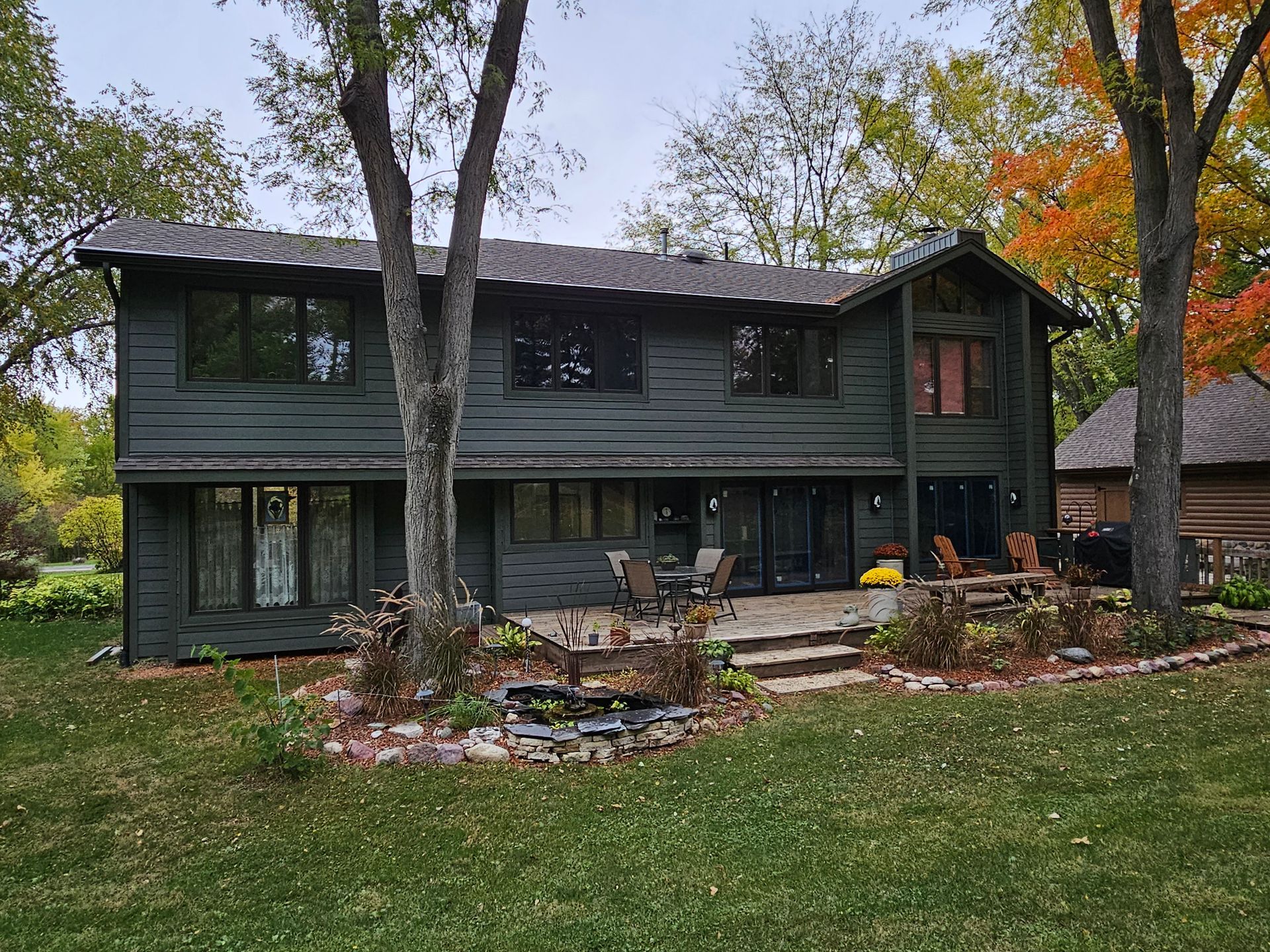
Storm Damage Help in Cedar Rapids, IA
If hail, strong winds, or severe weather may have damaged your roof or exterior, Serenity Home Transformations can help evaluate the visible condition of your property. Contact our local team to request a free storm damage inspection.
Safety Notice: If there is an immediate danger involving fire, downed power lines, a gas leak, severe structural instability, or personal injury, move to a safe location and contact emergency services first.
What to Do After a Severe Storm
Take these important steps to ensure safety and protect your property.
- Make sure everyone is safe.
- Stay away from downed power lines and damaged trees.
- Do not climb onto the roof.
- Photograph visible damage from a safe location.
- Move vehicles away from unstable trees or structures when safe.
- Take reasonable steps to prevent additional damage without putting yourself at risk.
- Review your insurance policy and contact your insurer when appropriate.
- Schedule a professional exterior inspection.
- Keep receipts and records related to temporary protective measures.
- Avoid signing agreements with unknown door-to-door contractors before reviewing their credentials and terms.
Hail Damage Repair in Cedar Rapids
Hail may affect asphalt shingles, siding, gutters, vents, flashing, windows, screens, and other exterior components. Some damage may be difficult to identify from ground level.
Possible Signs of Hail Damage
- Dented or bruised shingles
- Areas of noticeable granule loss
- Cracked or damaged shingles
- Dents in gutters, downspouts, vents, or flashing
- Cracked siding
- Damaged window screens
- Broken or cracked glass
- Marks on metal exterior components
- New leaks or interior water stains
- Debris or roofing material around the property
Not every mark indicates covered storm damage. A physical inspection and the insurance company's evaluation are needed.
Schedule a Free Hail Damage Inspection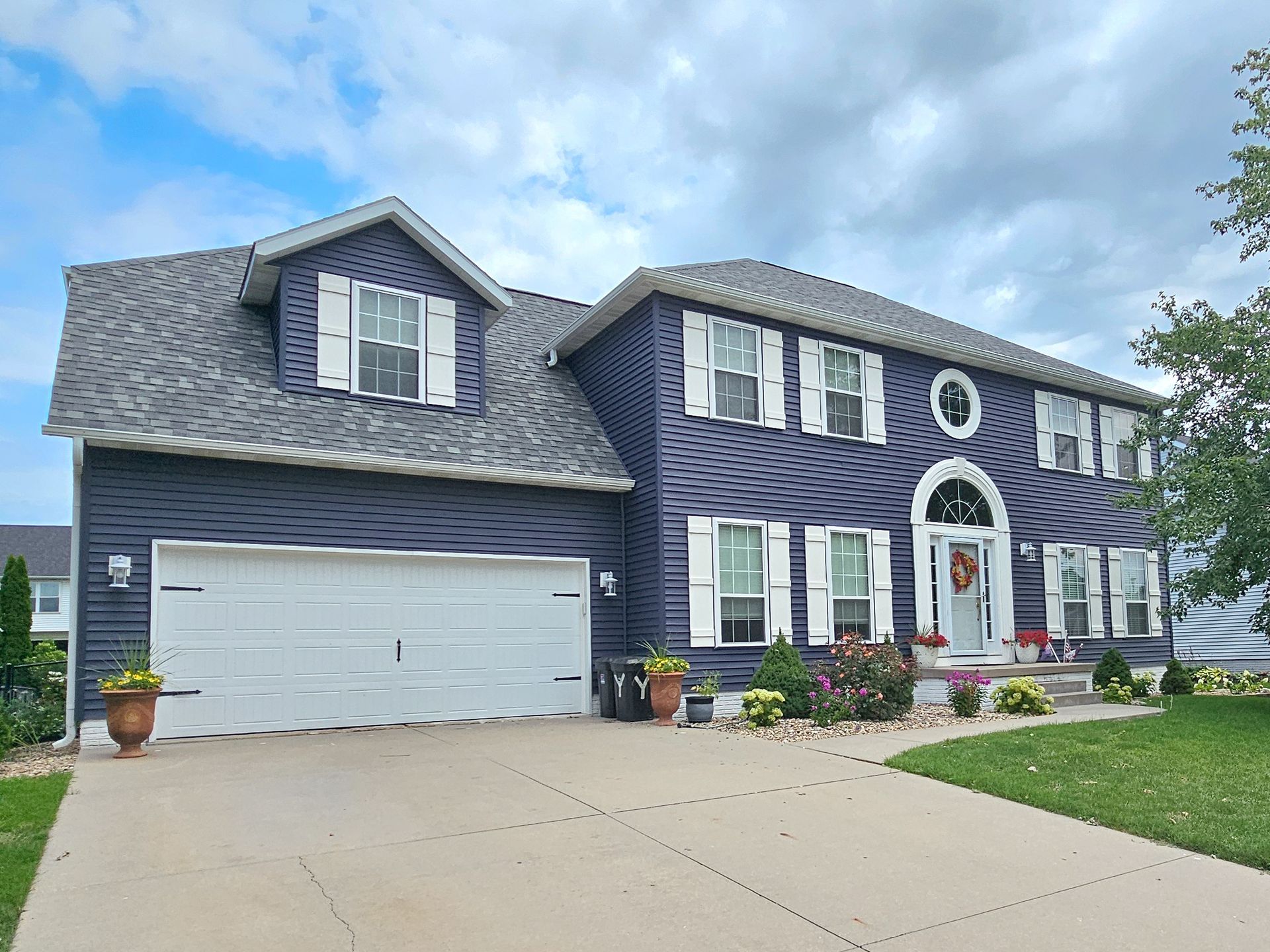

Wind Damage Repair for Cedar Rapids Homes
Strong winds may lift, loosen, crease, tear, or remove shingles. Wind and falling debris may also damage siding, gutters, roof edges, vents, trim, windows, and exterior doors.
Possible Signs of Wind Damage
- Missing or displaced shingles
- Lifted or creased shingles
- Exposed roof areas
- Loose flashing or roof-edge materials
- Damaged siding or trim
- Gutters pulling away from the home
- Fallen branches or impact damage
- Water entering through the roof or exterior
- Loose exterior components
- New indoor water stains after a storm
Safety Note: Do not attempt to inspect loose roofing materials from a ladder or roof. Wind-damaged materials can shift unexpectedly, and wet surfaces may be slippery.
Our Free Storm Damage Inspection
Serenity Home Transformations can evaluate accessible exterior areas for visible signs of hail, wind, or debris damage.
Discuss the Storm
Collect basic information about the property, approximate storm date, visible concerns, leaks, and affected areas.
Inspect Accessible Exterior Areas
Review applicable roofing and exterior components using appropriate safety practices.
Document Visible Conditions
Take photos and record visible concerns that may help the homeowner understand the property's condition.
Explain the Findings
Discuss observed damage and whether repairs, replacement, monitoring, or additional evaluation may be appropriate.
Review Potential Next Steps
Explain available contractor services and provide a project scope or estimate when appropriate.
A contractor inspection is not a guarantee of insurance coverage or claim approval. Hidden damage, structural concerns, or specialized conditions may require additional evaluation by another qualified professional.
How We Help With Your Storm Damage Insurance Claim
We guide you through the process while ensuring your property is accurately documented.
Document the Date and Visible Damage
Record the approximate storm date and safely photograph visible damage around the property.
Schedule a Contractor Inspection
Serenity Home Transformations evaluates accessible roofing and exterior components and documents visible concerns.
Contact Your Insurance Company
The homeowner reports the potential loss directly to the insurance provider and follows the insurer's claim instructions.
Meet With the Insurance Adjuster
When requested and scheduling permits, Serenity Home Transformations may attend the inspection to point out documented exterior conditions and answer construction-related questions.
Review the Insurance Scope
The homeowner reviews the insurer's coverage decision and scope. Serenity Home Transformations can compare the listed construction work with observed conditions and prepare relevant contractor information.
Resolve Questions Through the Proper Parties
Coverage, pricing, or omitted-item questions should be directed to the insurance adjuster or licensed insurance professional. Serenity Home Transformations can provide construction documentation when appropriate.
Approve and Schedule the Work
After the homeowner approves the project and applicable insurance requirements are addressed, repairs or replacement can be scheduled.
Complete the Work and Provide Documentation
Complete the authorized scope and provide relevant invoices or project documents for the homeowner's records.
Disclaimer: Serenity Home Transformations is a contractor—not a public insurance adjuster, insurance agent, attorney, or representative of your insurance company. We do not determine coverage, negotiate claim settlements on your behalf, or guarantee approval or payment. Coverage decisions are made by the insurer under the terms of the policy.
Homeowners are responsible for their insurance deductible and any amounts not covered by the policy. Serenity Home Transformations does not offer to waive, rebate, or absorb insurance deductibles.
Why You Should Address Storm Damage Promptly
Prompt action allows the condition to be documented and may help reduce the chance of additional deterioration.
- Loose materials may become more vulnerable to later weather.
- Small openings may allow water intrusion.
- Moisture can affect insulation, ceilings, walls, or interior finishes.
- Damage may be harder to connect to a specific storm as time passes.
- Insurance policies may have notice requirements or filing deadlines.
- Temporary protective steps may be needed.
- Early documentation provides a clearer record of visible conditions.
- Contractor availability may become limited after widespread storms.
Insurance requirements and deadlines vary by policy and provider. Review your policy and contact your licensed insurance professional for guidance.

Why Cedar Rapids Homeowners Call Serenity Home Transformations
Over 25 Years of Experience
Extensive exterior home-improvement and storm restoration experience you can rely on.
Local and Family-Owned
Based in Marion and proudly serving Cedar Rapids and surrounding Eastern Iowa communities.
Multiple Exterior Services
We provide roofing, siding, windows, doors, and gutters so multiple affected areas can be evaluated.
Clear Documentation
Our team carefully photographs and documents visible exterior conditions for your records.
Honest Recommendations
Recommendations are based on observed conditions and the appropriate repair or replacement scope.
Clear Communication
Homeowners receive understandable information about our findings and proposed work.
Storm Damage Help in Cedar Rapids and Linn County
Serenity Home Transformations provides storm damage inspections, roofing repairs, roof replacement, siding, window, door, and gutter services throughout Cedar Rapids, Marion, Linn County, and approved surrounding Eastern Iowa communities.
Storm response availability depends on location, safety conditions, project type, weather, and current crew capacity. Call (319) 826-4371 to confirm availability for your property.
Concerned About Storm Damage? Start With a Free Inspection.
If your home was recently affected by hail, strong winds, or falling debris, contact Serenity Home Transformations. Our local team can inspect accessible exterior areas, document visible concerns, and explain potential repair or replacement options.
Do not use this form for life-threatening emergencies, fires, gas leaks, downed power lines, or severe structural instability. Contact emergency services first.